
As global manufacturing supply chains continue to evolve, international textile companies are reassessing their production locations. Labor costs, raw material availability, international trade conditions, logistics efficiency, and market access have become increasingly important factors in investment decisions.
With its strategic geographical location, cotton resources, established manufacturing base, and access to European, Middle Eastern, and African markets, Egypt is attracting growing attention from international textile manufacturers. Meanwhile, the Egyptian government is promoting the modernization of its textile industry, encouraging technological improvements across spinning, weaving, dyeing, finishing, and garment manufacturing.
As a screw air compressor manufacturer based in Shanghai, China, SUCCESS ENGINE closely monitors developments in global manufacturing. We believe that the modernization of Egypt’s textile industry will not only increase demand for textile machinery but also accelerate the development of more energy-efficient, reliable, and intelligent industrial compressed air systems.
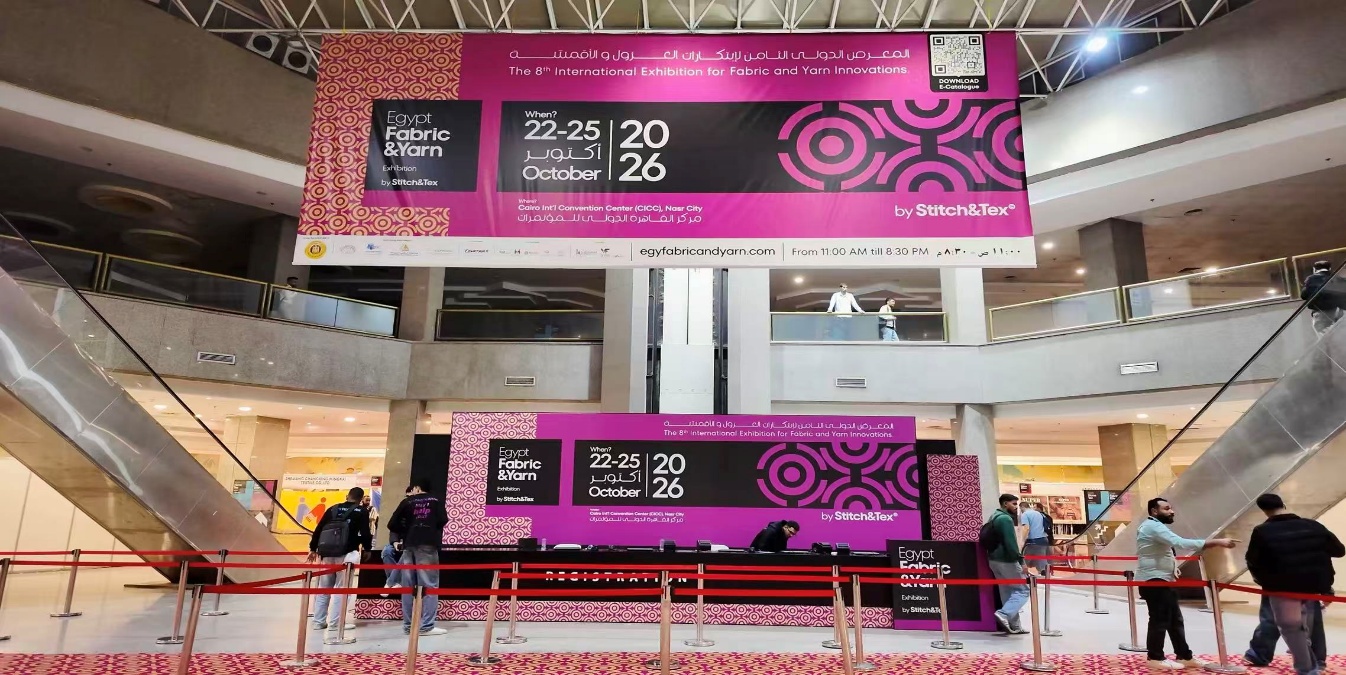
For textile manufacturers, the purchase price of equipment represents only part of the total investment. Long-term energy consumption and maintenance expenses are equally important.
Spinning, weaving, and dyeing factories often operate large numbers of machines and require compressed air systems to run for extended periods. Improper compressor selection, pipeline leakage, excessive operating pressure, or inefficient coordination between multiple compressors can all result in unnecessary energy consumption.
At SUCCESS ENGINE, we believe Egyptian textile manufacturers should pay greater attention to the overall energy efficiency of their compressed air systems rather than focusing exclusively on the initial purchase price.
We recommend evaluating actual air demand, operating pressure, flow rate, operating hours, load variations, and air treatment requirements before selecting equipment. Permanent magnet variable-speed screw compressors may be suitable for factories with fluctuating air demand, while large continuous-production facilities may benefit from properly configured multi-compressor systems and centralized control.
Our objective is not simply to supply an air compressor, but to help customers reduce the lifecycle operating costs of their entire compressed air systems.
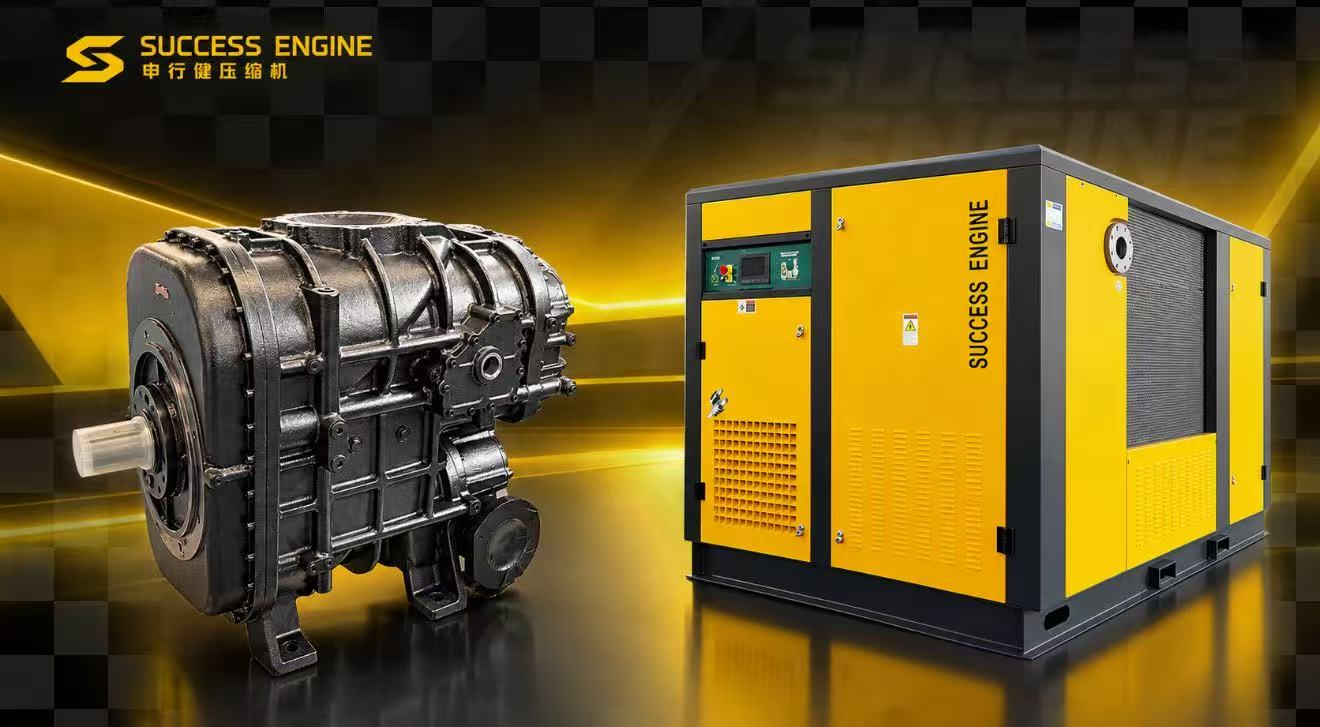
As textile production becomes increasingly automated, manufacturers are paying greater attention to compressed air quality.
Moisture, oil aerosols, and solid particles in compressed air can affect the service life of pneumatic components, reduce the reliability of automated equipment, and potentially interfere with certain manufacturing processes.
For this reason, an air compressor should not be considered an isolated piece of equipment. It should be properly integrated with air receivers, refrigerated or desiccant air dryers, precision filters, and the compressed air distribution network.
At SUCCESS ENGINE, we believe air treatment configurations should be determined by the specific requirements of each textile application rather than by unnecessarily pursuing the highest possible air quality standards. General pneumatic control systems and processes with stricter moisture or oil-content requirements may require different treatment solutions.
A properly designed air treatment system helps textile manufacturers achieve a more stable, reliable compressed air supply that meets their actual production requirements.
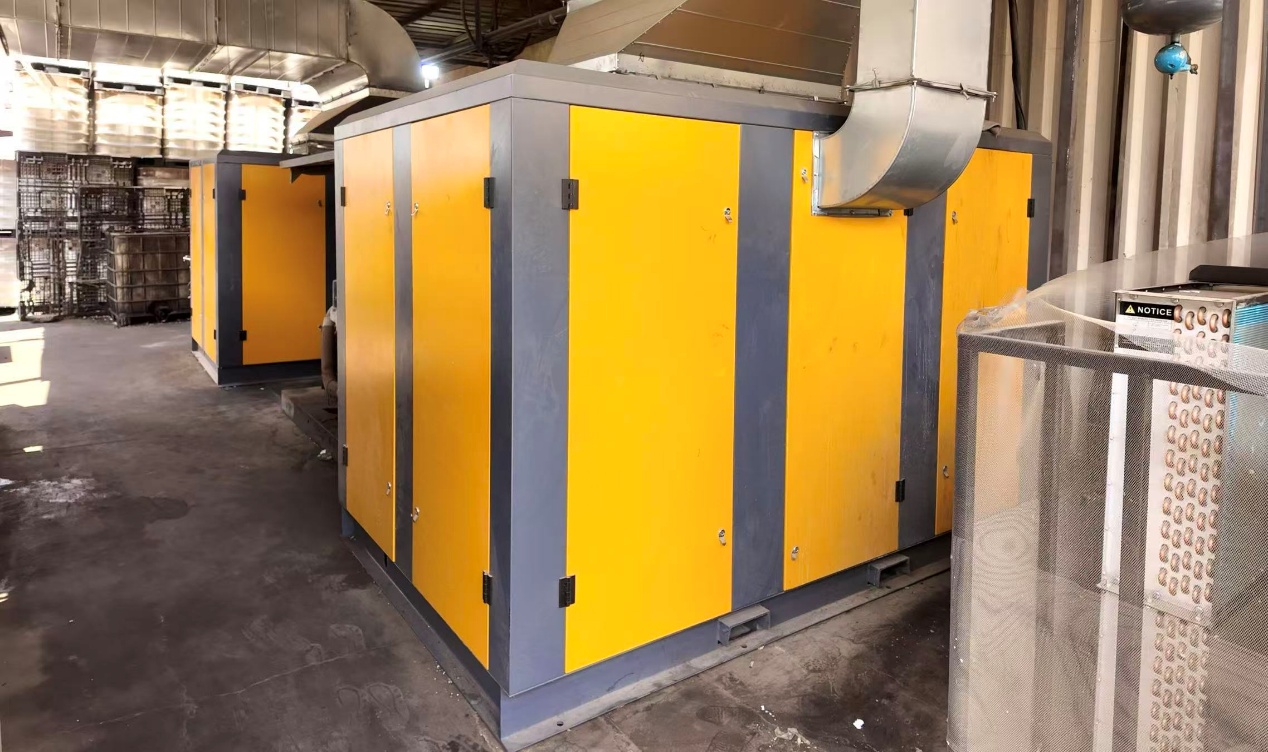
Looking ahead, we believe compressed air systems in Egypt’s textile industry will develop in four major directions:
At SUCCESS ENGINE, we believe the modernization of Egypt’s textile industry will create new opportunities for efficient industrial compressed air equipment. We look forward to building long-term partnerships with textile manufacturers in Egypt and around the world, providing reliable products, professional technical expertise, and practical services to support more efficient, energy-conscious, and sustainable industrial production.
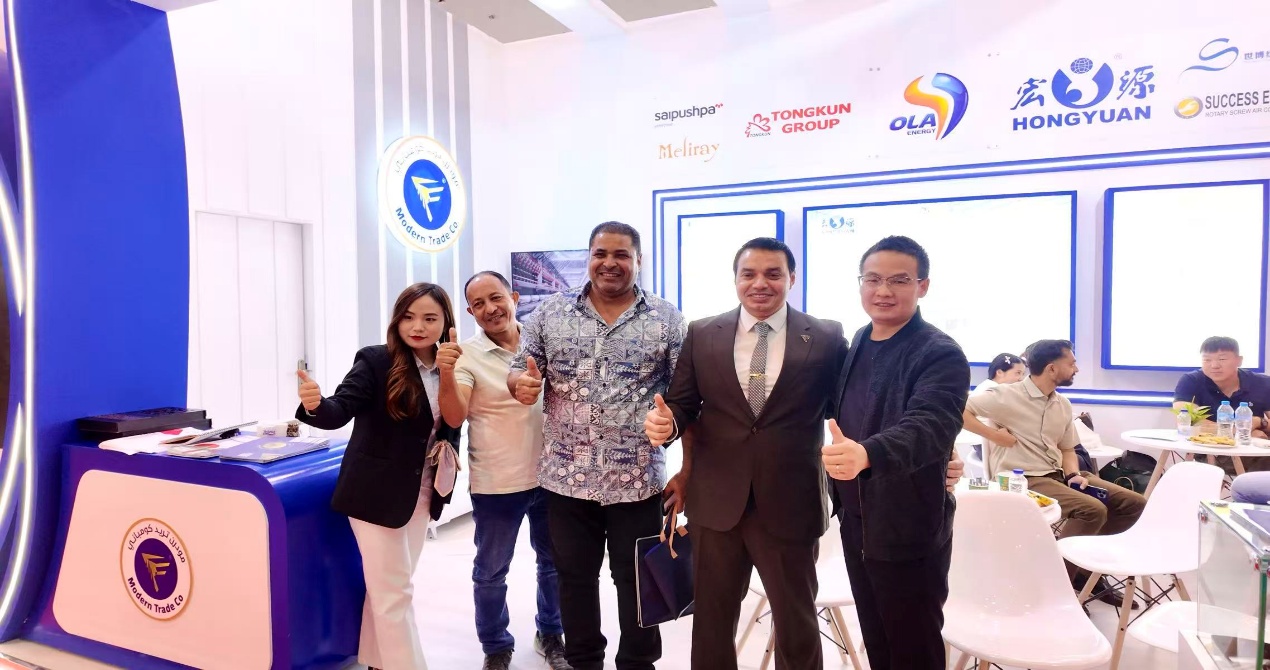
Post time: Nov-16-2026