
Challenge 1: Energy Costs Are a Growing Concern — A Low Purchase Price Does Not Guarantee Low Operating Costs
For Egyptian industrial companies, electricity consumption is an important component of long-term compressor operating costs. This is particularly true for factories running continuous production shifts, where compressor efficiency can have a significant cumulative impact on electricity expenses.
Some buyers focus heavily on the initial purchase price while overlooking air-end efficiency, motor performance, actual delivered airflow, pressure settings, and variations in air demand. Although a compressor may cost less initially, inefficient operation over several years can result in substantially higher cumulative energy expenses.
We recommend evaluating actual airflow requirements, working pressure, and daily operating hours before selecting equipment. For factories with fluctuating air demand, permanent magnet variable-speed screw compressors may offer an effective solution by adjusting motor speed to match actual consumption and reducing unnecessary unloaded operation.
Our philosophy is straightforward: customers are not simply purchasing an air compressor; they are investing in its energy performance over many years of operation.
Challenge 2: High Temperatures, Dust, and Demanding Industrial Environments Challenge Long-Term Equipment Reliability
Some industrial environments in Egypt experience high ambient temperatures and considerable dust exposure. In compressor rooms with insufficient ventilation or densely installed equipment, heat dissipation and intake air quality can become important factors affecting operational reliability.
During continuous operation, screw air compressors generate considerable heat. If the cooling system is improperly configured, room ventilation is inadequate, or air filters are not maintained regularly, problems such as elevated discharge temperatures, reduced cooling efficiency, and protective shutdowns may occur.
For industrial customers, unexpected compressor downtime involves more than repair expenses. It can interrupt production lines, delay orders, and affect the operation of other connected machinery.
We believe compressor manufacturers must consider actual operating environments from the equipment design and system configuration stages.
When developing solutions for overseas customers, SUCCESS ENGINE recommends evaluating ambient temperature, dust concentration, installation space, ventilation conditions, and cooling requirements. Cooling systems, intake filtration, and equipment protection should be configured according to the actual operating conditions.
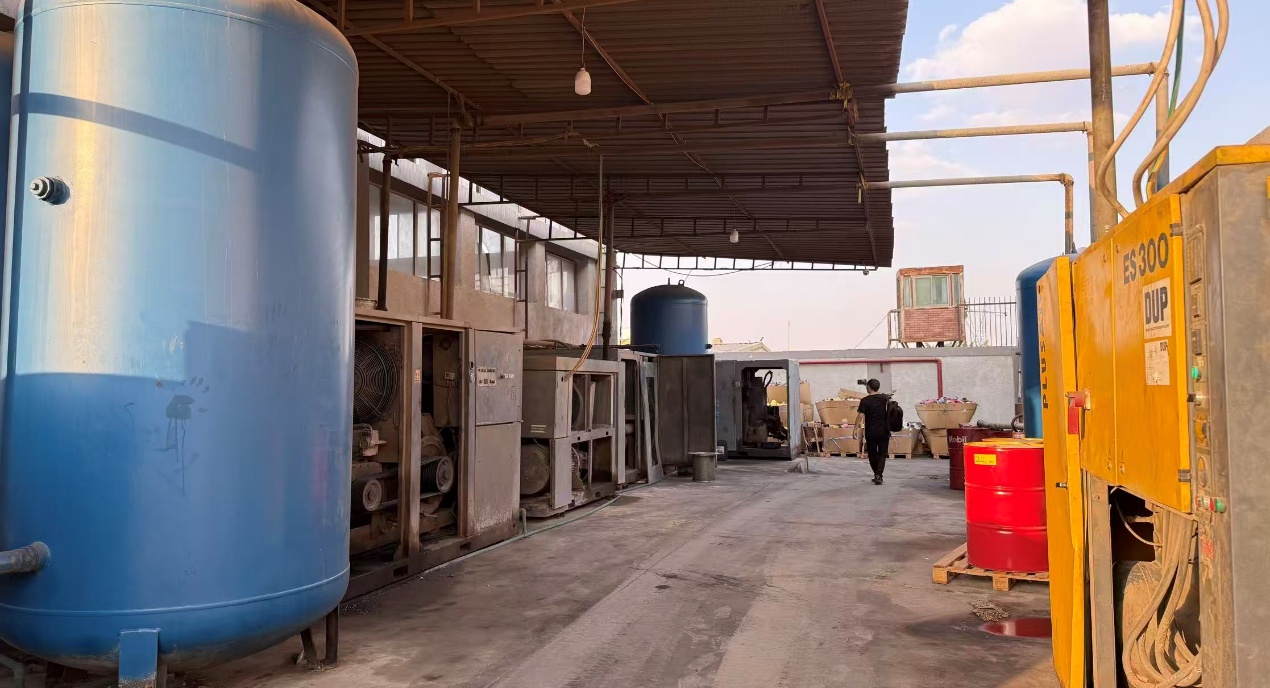
We focus on how equipment performs in real factory environments, not merely on its specifications under laboratory conditions.
Challenge 3: Unstable Air Pressure Can Affect the Efficiency of the Entire Production Line
In many industrial facilities, compressed air is distributed through a pipeline network serving multiple machines simultaneously rather than a single piece of equipment.
If compressor capacity is improperly selected, the air receiver is undersized, the piping network is poorly designed, or several high-demand machines start operating simultaneously, pressure fluctuations may occur.
This is particularly important for pneumatic control equipment, automated production lines, spray systems, and other processes sensitive to supply pressure.
Some factories assume that increasing compressor motor power will solve insufficient pressure. In reality, pressure drops may result from pipeline losses, blocked filters, air leakage, insufficient storage capacity, or inefficient load distribution.
At SUCCESS ENGINE, we believe the first step toward solving unstable air pressure is identifying the actual cause rather than blindly increasing installed compressor capacity.
We recommend configuring compressors, air receivers, dryers, and filters according to peak demand, average consumption, machine starting characteristics, and pipeline pressure losses. Factories operating multiple compressors may also benefit from centralized control systems that coordinate equipment operation more efficiently.
A stable compressed air supply is fundamental to continuous industrial production.
Challenge 4: Improper Equipment Selection Leads to a Mismatch Between Compressor Capacity and Actual Production Requirements
We consider this one of the most frequently overlooked problems.
Some industrial customers select compressors based on the rated power of their existing equipment or the experience of other factories without sufficiently evaluating their own production line’s actual airflow and pressure requirements.
If compressor capacity is oversized, the machine may operate at low loads or unload frequently, resulting in unnecessary energy consumption. If capacity is insufficient, the system may experience pressure drops and fail to support production equipment at full capacity.
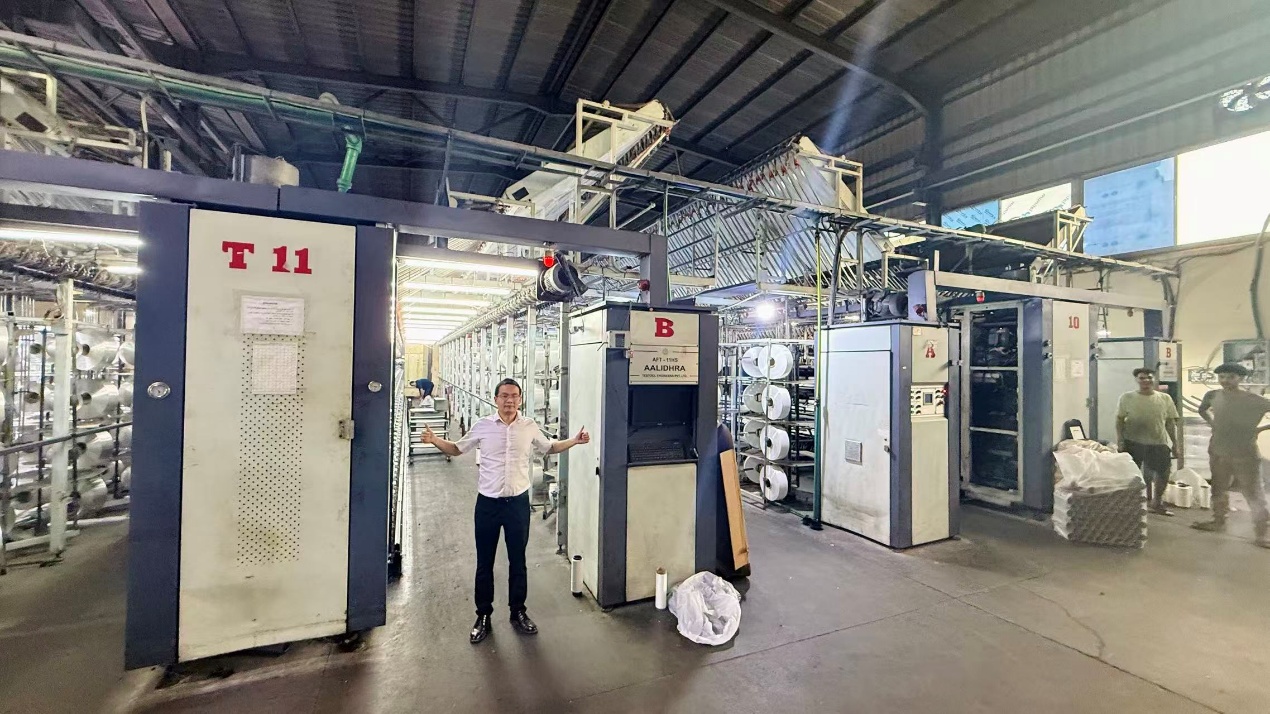
Furthermore, different industries have different compressed air requirements. Air-jet looms in textile factories, food packaging machines, pharmaceutical production equipment, and metalworking machinery do not necessarily require the same pressure, airflow, or air treatment specifications.
At SUCCESS ENGINE, we believe a professional compressor manufacturer should do more than provide a quotation based on a model number. We should help customers evaluate their actual operating conditions.
During equipment selection, we recommend checking:
- [+] Average and peak compressed air demand.
- [+] Required operating pressure of production equipment.
- [+] Daily operating hours and production shifts.
- [+] Variations in compressed air consumption.
- [+] Requirements for moisture, oil content, and particulate contamination.
- [+] Existing pipeline networks, air receivers, and air treatment equipment.
Only by considering these factors together can customers avoid improper selection and ensure that their compressors deliver the expected performance.
Choosing SUCCESS ENGINE Means More Than Purchasing an Air Compressor — It Means Choosing a Long-Term Manufacturing Partner
In the international industrial market, purchasing an air compressor may take only a few days, but the equipment is expected to operate in the customer’s factory for many years.
We understand that customers are not primarily concerned with how the equipment performs on the day of delivery. They want to know whether it will remain reliable over the coming years, whether energy expenses can be controlled, and whether maintenance and spare parts can be managed conveniently.
That is why SUCCESS ENGINE places great importance on building long-term customer relationships.
As Shanghai SUCCESS ENGINE Compressor Co., Ltd., we will continue to improve our screw air compressor products, manufacturing quality, energy efficiency, and integrated compressed air solutions.
We want Egyptian customers to benefit from direct communication with our manufacturing team, gaining clearer product information, more appropriate equipment selection recommendations, and transparent technical discussions.
Whether our customers operate in textiles, food processing, pharmaceuticals, automotive manufacturing, or metalworking, we aim to recommend equipment based on their actual production requirements rather than offering the same configuration to every customer.
We believe a truly competitive manufacturer must possess more than the ability to produce equipment. It must also understand customer requirements, solve practical problems, and support customers throughout their long-term industrial development.
Post time: Nov-16-2026