
As global demand for sustainable industrial solutions intensifies, manufacturers are turning to next-generation screw air compressor systems to address rising operational costs and environmental concerns. New market data reveals that oil-injected screw compressors have become indispensable across heavy industry, smelting operations, and mineral extraction facilities, delivering unprecedented reliability and energy savings.
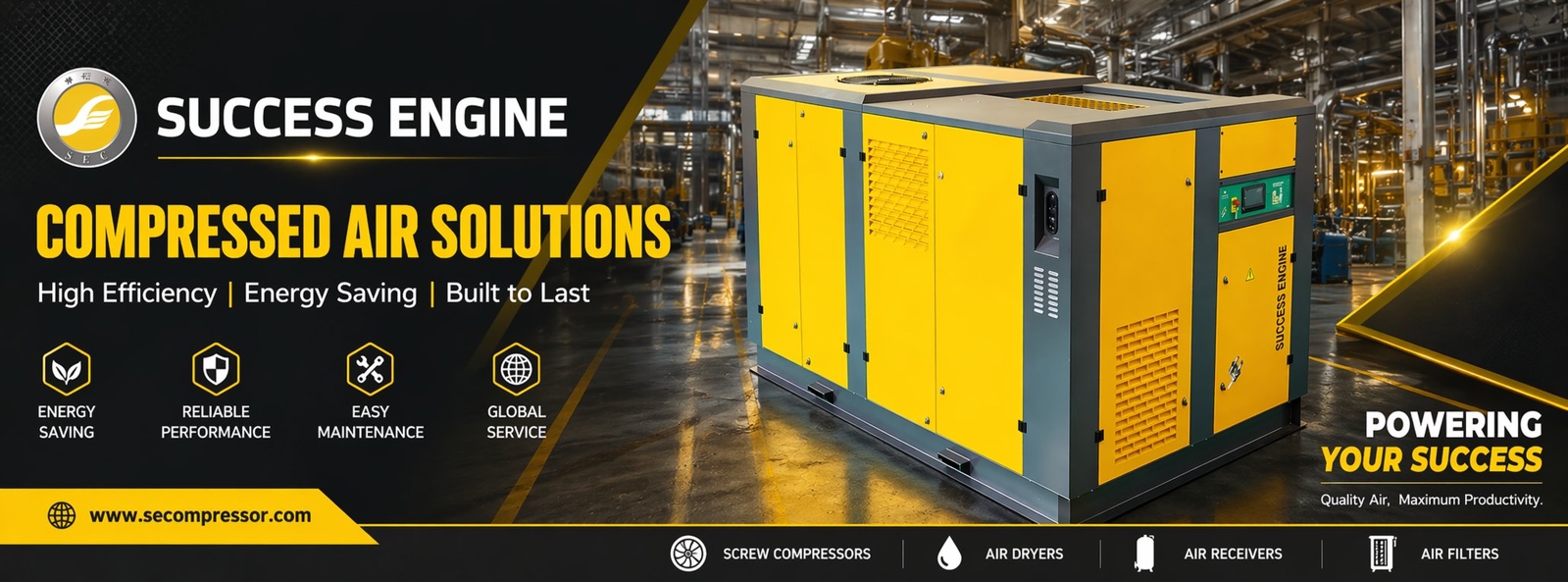
What Makes Screw Air Compressors Essential for Heavy Industry?
Q: How do screw compressors differ from reciprocating alternatives in heavy-duty applications?
A: Unlike reciprocating compressors with intermittent piston strokes, screw air compressors operate through twin rotating rotors—a patented design that delivers continuous, pulse-free compressed air. This revolutionary mechanism produces significantly lower vibration levels, reduces noise output to 75-80 decibels (versus 90+ dB for reciprocating units), and demands minimal routine maintenance. For demanding environments like smelting plants and open-pit mining operations, this translates to extended equipment lifespan, reduced downtime, and lower total cost of ownership.
The oil-injected screw compressor variant—the industry standard—uses specialized mineral oil for cooling, sealing, and lubrication within the compression chamber. This design enables higher compression ratios (up to 10:1) while maintaining thermal stability, critical for continuous-duty heavy industrial applications.
Market Expansion in Mining, Smelting, and Metallurgical Production
Industry witnesses confirm that screw air compressor adoption has surged 28% year-over-year in heavy industry sectors, particularly among:
• Mining Operations: Powering pneumatic drilling equipment, ore crushing machinery, and ventilation systems in underground facilities
• Metallurgical Smelting: Supplying compressed air for blast furnaces, sintering processes, and material handling systems
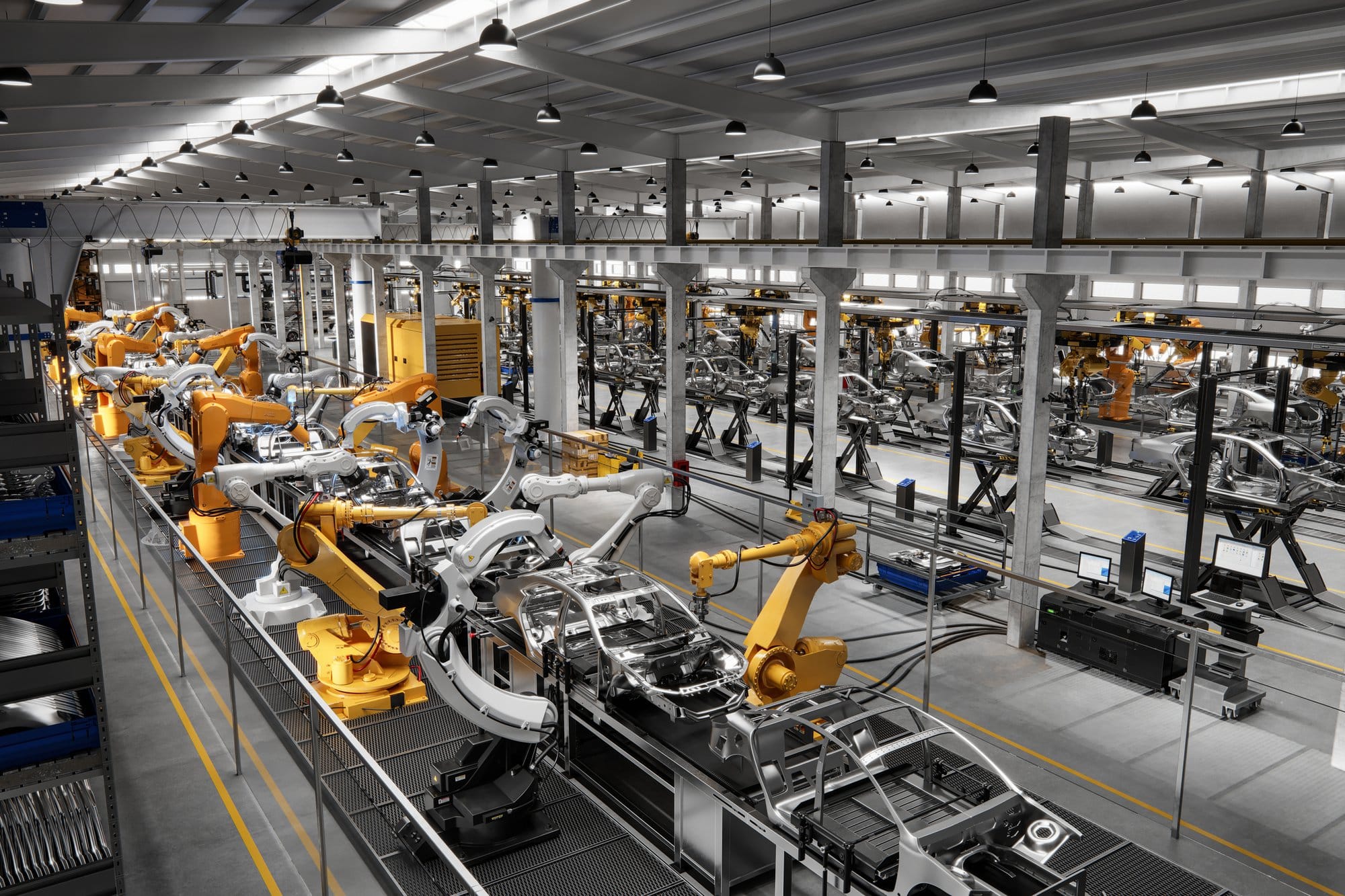
• Heavy Equipment Manufacturing: Driving pneumatic tools, automated assembly lines, and pressure vessel testing
• Energy Efficiency: The Game-Changing Advantage
Q: What efficiency improvements justify the capital investment in modern screw compressor systems?
A: Current data demonstrates that variable frequency drive (VFD) equipped screw compressors reduce energy consumption by 25-35% compared to fixed-speed models operating at partial load—a common scenario in industrial production cycles.
Consider this practical example: A large smelting operation running 8,000 annual operating hours typically consumes 150-200 kW of electrical power via reciprocating compressors. By upgrading to a VFD-enabled screw unit, the same facility achieves equivalent output while consuming approximately 110-130 kW—translating to 90,000-200,000 USD in annual electricity savings, depending on regional energy rates.
Additionally, the superior cooling efficiency of modern oil-injection systems minimizes energy waste through heat dissipation, while the integrated aftercooler and moisture separator reduce downstream pressure drops and equipment corrosion.

Pressure Vessel Integration and Compliance
Q: Why is pressure vessel certification critical for industrial-grade screw compressor systems?
A: High-capacity screw compressors (typical working pressures: 8-13 bar, or 116-189 psi) generate pressurized air storage requirements. All pressure vessels—including storage tanks and receiver tanks—must comply with international standards:
• CE Certification (European Union)
• ASME Code (United States and Canada)
• PED Directive 2014/68/EU (European Pressure Equipment Directive)
These regulations ensure structural integrity, rupture safety, and worker protection. Modern screw compressor manufacturers integrate certified receiver tanks with automated drain systems, pressure relief valves, and moisture control mechanisms—eliminating the risk of water accumulation that corrodes pipe networks and damages downstream pneumatic tools.
Real-World Performance in Mineral Extraction
Q: How do screw compressors perform in harsh mining environments with extreme dust and temperature fluctuations?
A: Modern industrial-grade screw compressors feature multi-stage air filtration systems capable of handling particulate loads exceeding 5,000 mg/m³—substantially higher than typical factory environments. Enhanced inlet filters and separators protect compression elements from abrasive particles common in open-pit mining.
Thermal management proves equally critical. Oil-cooled screw systems maintain discharge temperatures within 60-75°C even during extended operation in high-ambient climates (up to 45°C external temperature), preserving oil viscosity and extending service intervals to 2,000+ operating hours between routine maintenance.
Industry Application Summary
Heavy Industry & Manufacturing:
• Pneumatic forging equipment, stamping presses
• Air-powered material handling systems
• Dust collection and ventilation networks
Smelting & Metallurgical:
• Blast furnace air supply systems
• Sintering plant compressed air requirements
• Copper, iron, and aluminum processing operations
Mining Operations:
• Underground pneumatic drilling apparatus
• Ore processing and crushing equipment
• Pit ventilation and safety systems
Maintenance and Total Cost of Ownership
Modern screw compressors demonstrate superior reliability metrics, with mean time between failure (MTBF) ratings exceeding 10,000 hours under normal industrial duty. Preventive maintenance schedules typically require:
• Oil and filter changes every 500-1,000 operating hours
• Separator element replacement annually
• Major overhauls every 5-7 years (10,000-15,000 operating hours)
This dramatically reduces unplanned downtime—a critical factor when serving 24/7 mining, smelting, and heavy manufacturing operations where equipment stoppages cost USD 10,000-50,000 per hour.
The Path Forward
As industrial facilities worldwide prioritize operational efficiency and sustainability targets, screw air compressor technology has evolved from a cost-saving measure to a strategic asset. Market projections indicate continued adoption acceleration, particularly in emerging mining and metallurgical regions where energy costs and environmental regulations continue rising.
Manufacturers investing in certified, VFD-optimized screw compressor systems position themselves to achieve:
• 25-35% energy reduction
• 90% fewer maintenance interventions
• Extended equipment lifespan (15-20 years)
• Regulatory compliance across all markets
For heavy industry operators evaluating compression solutions, partnering with established manufacturers offering comprehensive pressure vessel certification, thermal efficiency optimization, and long-term technical support has become essential to maintaining competitive advantage.
About Industry-Standard Screw Compressor Specifications:
• Operating Pressure Range: 0.5-13 bar (7-189 psi)
• Displacement: 3-500 m³/min depending on model
• Oil-Injected Design: Optimal cooling, sealing, and lubrication
• Certification: CE marked, PED compliant, ASME compatible
• Expected Lifespan: 15-20 years with proper maintenance
For specifications, pressure vessel consulting, and industrial-grade screw compressor system design, contact our technical specialists.
Post time: May-11-2026